


I have received two dozen notes from friends with comments about their own thoughts on Mr. Clapton. Unfortunately, due to a few unruly music blog “hall monitors” I cannot enable public comments on the Thunderbird Ranch Ramble. BUT please do keep sharing your thoughts with me direct. I am humbled by your insights and really appreciate the banter.
Second, “Mainline Florida” and ” I Can’t Hold Out” are my favorite Clapton tracks of this era. This story is by no means, the whole story… just a bit of personal commentary on a specific slice of an extraordinary musicians journey.
heroin-induced hibernation that left the guitarist often referred to as “God”
by fans unable to play his Fender Stratocaster. At London’s Rainbow Theatre that year, Eric returned to the stage for the first time in more than two years since his appearance at the star-studded Concert for Bangladesh concert. Although Clapton fell back in bed with the needle after the Concert for Bangladesh, the famous George Harrison-led event provided him enough encouragement
to fight his way out of bed and back on center stage. The years that followed
would be an extraordinary journey deep into musical discovery.
 |
Rainbow Theatre, London (January 13,1973) |

music movie catalog, I found a 3-hour long documentary on Eric Clapton called “Clapton The 70s Review”. Although not the best music
documentary film (the production was a bit clunky and clearly absent of music), it did
provide unique insight into this highly transformative and not often discussed
part of EC’s life.
period. After his well-publicized health issues in 2016 that have limited his
ability to play guitar the way he once did, Clapton has orchestrated a massive
swan song tour playing his massive catalog of hits from many distinct chapters of his career.
musicians to fuel creativity, the prolonged use of heroin turned Clapton into mush. It was only after he crawled out of that dark
fucking hole, did he start to create music again. What is so interesting about
this period of time, is the process he went through and output that resulted.
fragments, Eric ventured moved to Miami and had Tom Dowd produce his new sound. The album was named after the place he lived at during this time, 461 Ocean Boulevard. It is my favorite Clapton album.

“I Shot The Sheriff” just a few months after it was released proved genius not
only for Clapton, but for all reggae artists, bringing the roots based island music to
the mainstream US. Although Clapton was trepidatious over his version of
Marley’s tune, record executives knew from the first moment they heard EC’s
recording that it would be a hit. So in 1974, the height of big record machine
business in America, EC was reintroduced to fans as singer and songman. Clapton
was no longer just the king of loud guitar solos from his time with Cream and
Traffic. Although the rock music critics did not like the softer sounding EC,
fans in the US loved the new songs. This new mainstream approach was fun for Eric and gave him confidence
in his singing voice that he never had. He didn’t need crazy solos, loud drums
and fast-paced bass riffs to make his point. Clapton’s interest in making songs
that people wanted to hear led him to embrace music by groove masters JJ Cale, Bob Marley and songs like Hand Jive.


musicians to support his and “take a solo” now and again. This “revue” type of approach used by
musicians in the past served Eric’s new style very well and went against the
grain of super groups he and rock music were defined by. Similar to what Jimmy
Buffett does today with The Coral Reefers, EC very much wanted to have Eric
Clapton and his band be on display.
studio turned Clapton onto another vice, booze.
He drank a lot, but seemingly never let it effect his play.
solo album, EC went to Jamaica to record his second album since the resurgence, “There’s One In Every Crowd”. This album
included the not so well known sequel to “I Shot The Sheriff” called “Don’t
Blame Me”. Interesting to learn that Clapton sung this song as if he
were locked in a jail cell for the crime of shooting Sheriff John Brown. Click here to listen.
heavy. Pictures from this time are revealing…


balls and decided to put together his dream recording session with The Band in
their Los Angeles Shangri-La studio.
Clapton was always smitten with The Band and considered Richard Manuel
the most soulful singer and piano man alive. Unfortunately, by this time The
Band had already passed its prime and fallen trap to the demons of the music
industry. The sessions though were the party of
a lifetime with the likes of Dylan, The Rolling Stones, Van Morrison stopping
in on a regular basis, but this clubhouse environment didn’t amount to much in
terms of quality songs. “Hello Friend”
was the best of these recordings.


performed The Last Waltz, which was captured by Martin Scorsese so brilliantly
on film in 1976. Clapton makes an appearance on
a mad good “Further on Up Down the Road” (click here to watch).
fanatics like myself, and something I didn’t know, on “No Reason to Cry” Clapton included one of the cited best
unrecorded Bob Dylan songs “Sign Language” sung by Richard Manual. Click here to
read more about this song on a cool Dylan blog called Untold Dylan.

in 1976, the booze did not affect his play, but eventually did cause him great
pain when he decided to show support for then modern day racist Enoc Powell in
between songs at a show in 1976. Clapton’s
UK following turned on him and the press dubbed him Enoch Clapton”. This was the end of the EC’s drinking…
Normal
0
false
false
false
EN-US
JA
X-NONE
immersed himself in the studio and seemingly decided to redeem himself with a
masterpiece. “Slowhand” was the result released in 1977 and featured such Clapton favorites such as “Cocaine”, Wonderful Tonight” and “Lay Down Sally”.
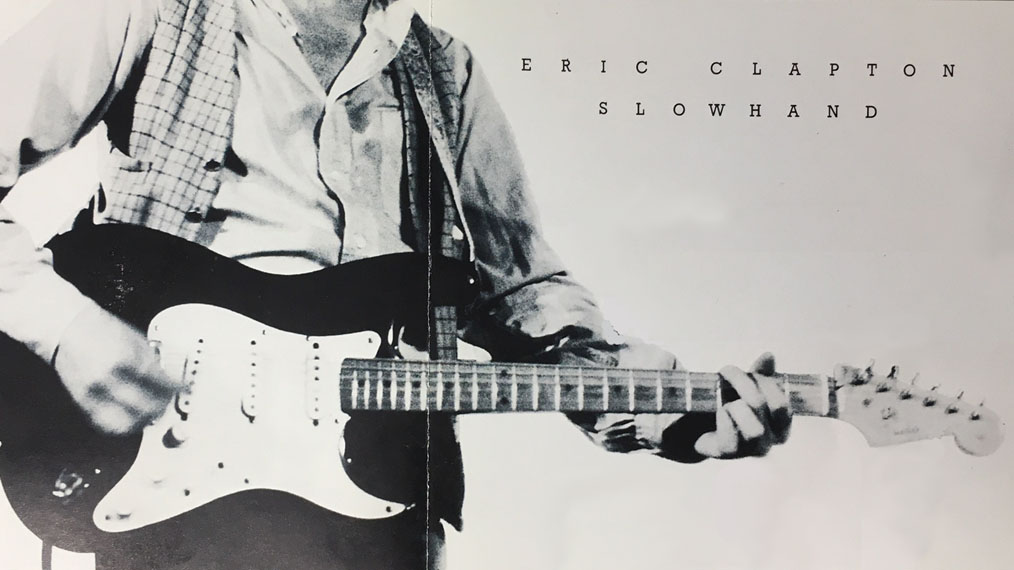
On a personal note, as a rock music wide-eyed kid I believed someone that Clapton’s face was horribly disfigured, which is why they didn’t show his head on the album cover. It was one of my first albums and today sits scratched from many happy years of use.
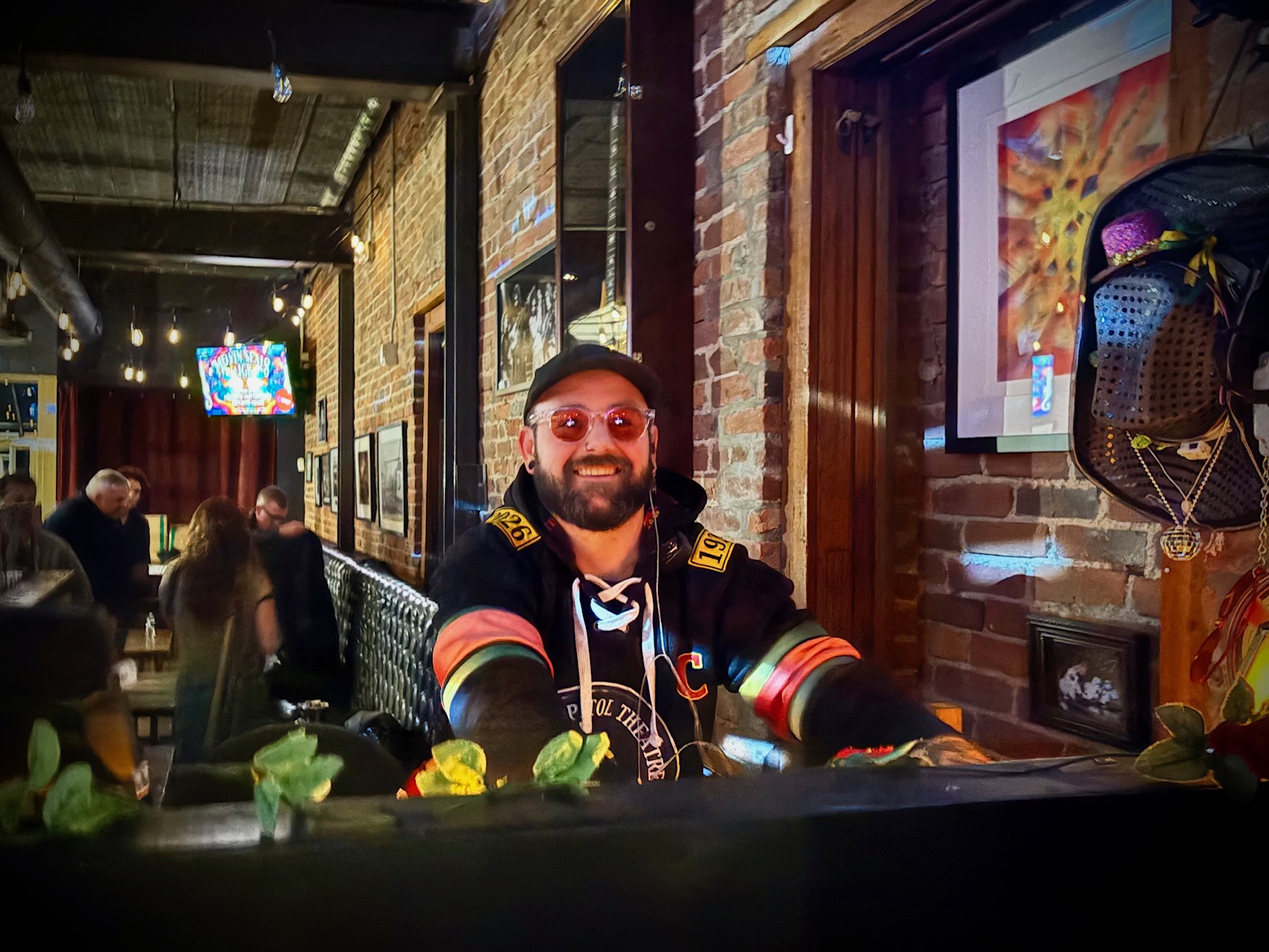
A last personal note, the first song I ever played on stage in front of an audience was Clapton’s “I Shot the Sheriff” at open mic night 1989 at Piermont’s legendary Turning Point. I broke a string in the first few minutes, but nailed the chorus. Thanks Tim O’C for being there and taking this pic!

So with that note, I’m Clapton-ed out. I’m either going to bury myself in Widespread Panic in anticipation of their late February shows in NYC, or explore a new band Spafford that I am going to see at Brooklyn Bowl in February.
See you in the front row!!
Keep flapping Rancheleros.


Leave a Reply